HIPAA Compliant AI: The Future of Clinic Operations
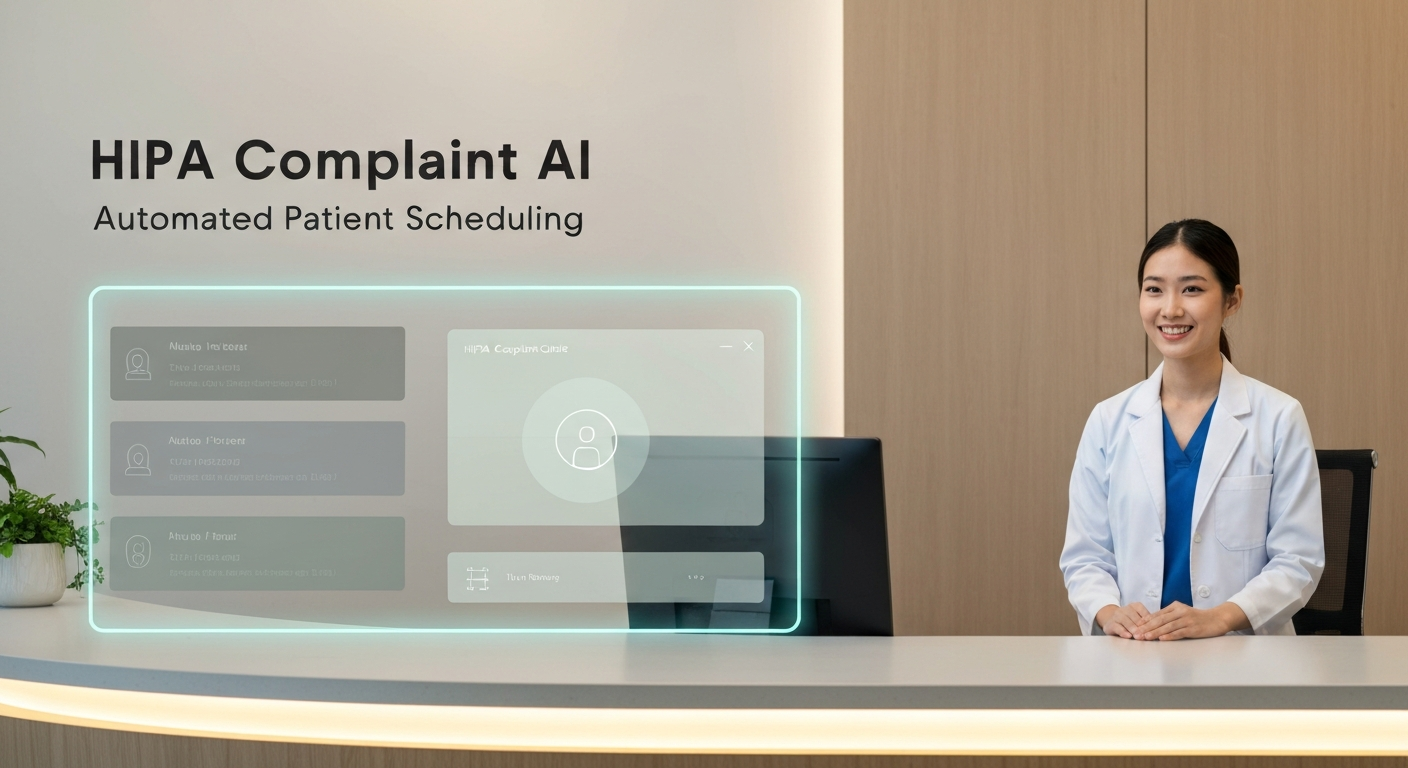
Key Insights
- AI can handle up to 70% of routine patient scheduling and intake inquiries.
- Closed-loop AI systems are required to maintain strict HIPAA compliance.
- Automation reduces staff burnout, allowing medical professionals to focus on patient care.
The healthcare industry is facing unprecedented staffing shortages and administrative bloat. Medical clinics are struggling to keep up with patient communications, appointment scheduling, and basic triage. AI automation offers a lifeline, but the strict regulatory environment of HIPAA makes implementation daunting for many practice managers.
Closed-Loop Automation
The key to safe AI in healthcare is utilizing "closed-loop" systems. This means the AI models are hosted in secure, encrypted environments where patient data (PHI) is never used to train public language models. Automated appointment reminders, secure patient portals, and AI-driven intake forms can operate safely within these encrypted silos, ensuring absolute compliance while drastically reducing manual data entry.
Solving the Staffing Crisis
When front-desk staff are overwhelmed by ringing phones, patient care suffers. By implementing an AI receptionist that can handle FAQ answering, appointment booking, and secure message routing 24/7, clinics can alleviate staff burnout. The ROI isn't just in saved labor costs; it's in the improved quality of care and reduced human error that comes from a less stressed workforce.
Summary
HIPAA compliant AI is not a futuristic concept; it is a current necessity for clinics facing staffing shortages. By utilizing secure, closed-loop automation for administrative tasks, medical practices can improve efficiency, protect patient data, and refocus their human capital on delivering exceptional care.
Ready to fix your revenue leak?
Every Business Loses Money: Not All Lose Money Willingly & Intentionally. Book a free strategy call or start with one of our packages today.