Calculating the True ROI of Business Automation
Key Insights
- Automation ROI is measured in both saved labor costs and captured lost revenue.
- A single saved lead per month often pays for an entire year of automation software.
- Operational scalability increases exponentially when routine tasks are automated.
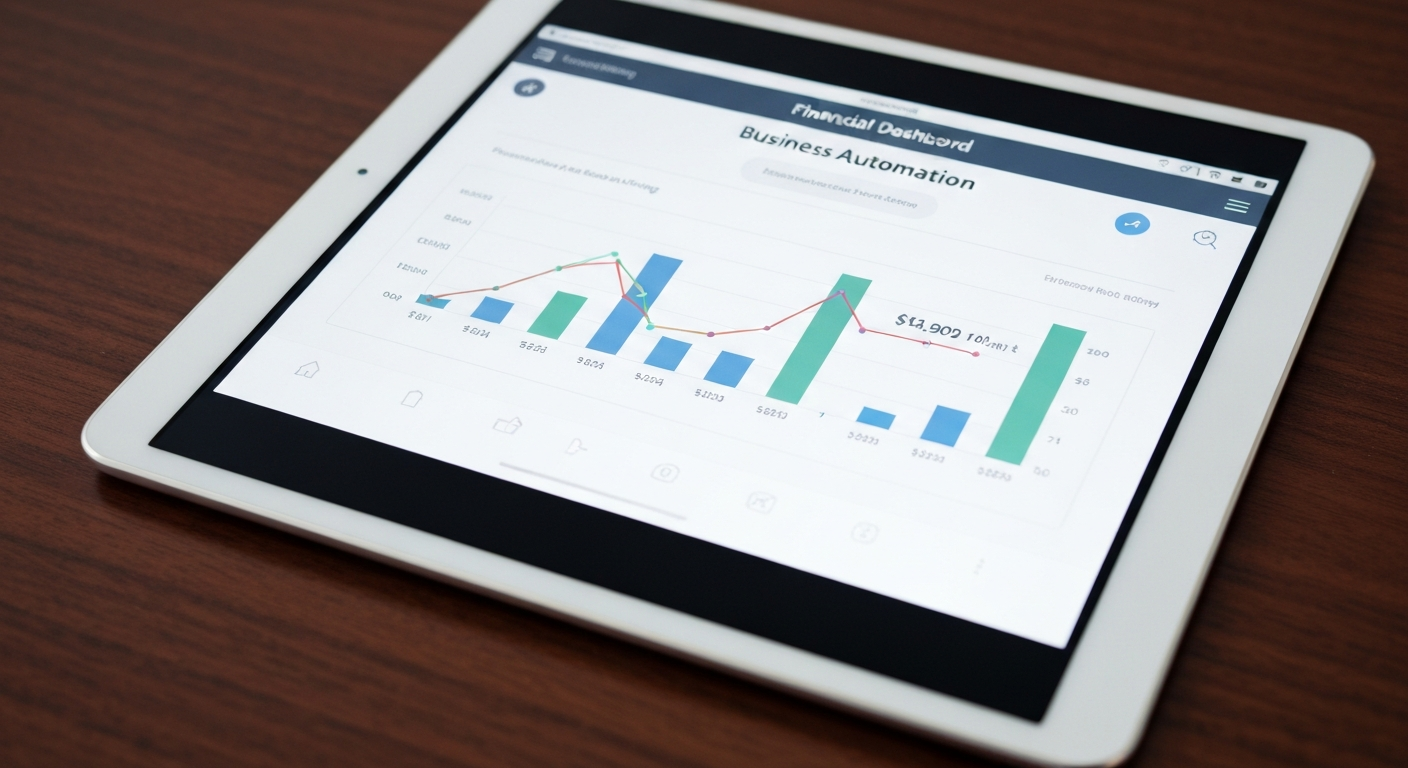
Many business owners hesitate to invest in automated growth systems because they view them as an additional monthly expense rather than a revenue-generating asset. To truly understand the value of automation, you must calculate both the hard costs saved and the invisible revenue captured.
The Cost of the Invisible Leak
The most expensive part of your business is the revenue you never knew you lost. If a potential client calls while you are busy, and you don't have a missed-call text-back system, that lead is gone forever. If your average customer lifetime value (LTV) is $3,000, and you miss just two of those calls a week, you are leaking $312,000 a year. An automation system that costs a few hundred dollars a month provides an astronomical ROI when it plugs this leak.
Labor Efficiency
Calculate how many hours your staff spends on repetitive tasks: manually following up with leads, sending review requests, answering the same five questions over the phone. If an employee making $25/hour spends 15 hours a week on these tasks, that's $1,500 a month in labor costs that could be entirely eliminated or reallocated to higher-value, revenue-generating activities.
Summary
The true ROI of automation is found at the intersection of reduced labor costs and maximized lead capture. When you stop viewing software as an expense and start viewing it as a digital employee that works 24/7 without benefits or breaks, the financial decision becomes obvious.
Ready to fix your revenue leak?
Every Business Loses Money: Not All Lose Money Willingly & Intentionally. Book a free strategy call or start with one of our packages today.